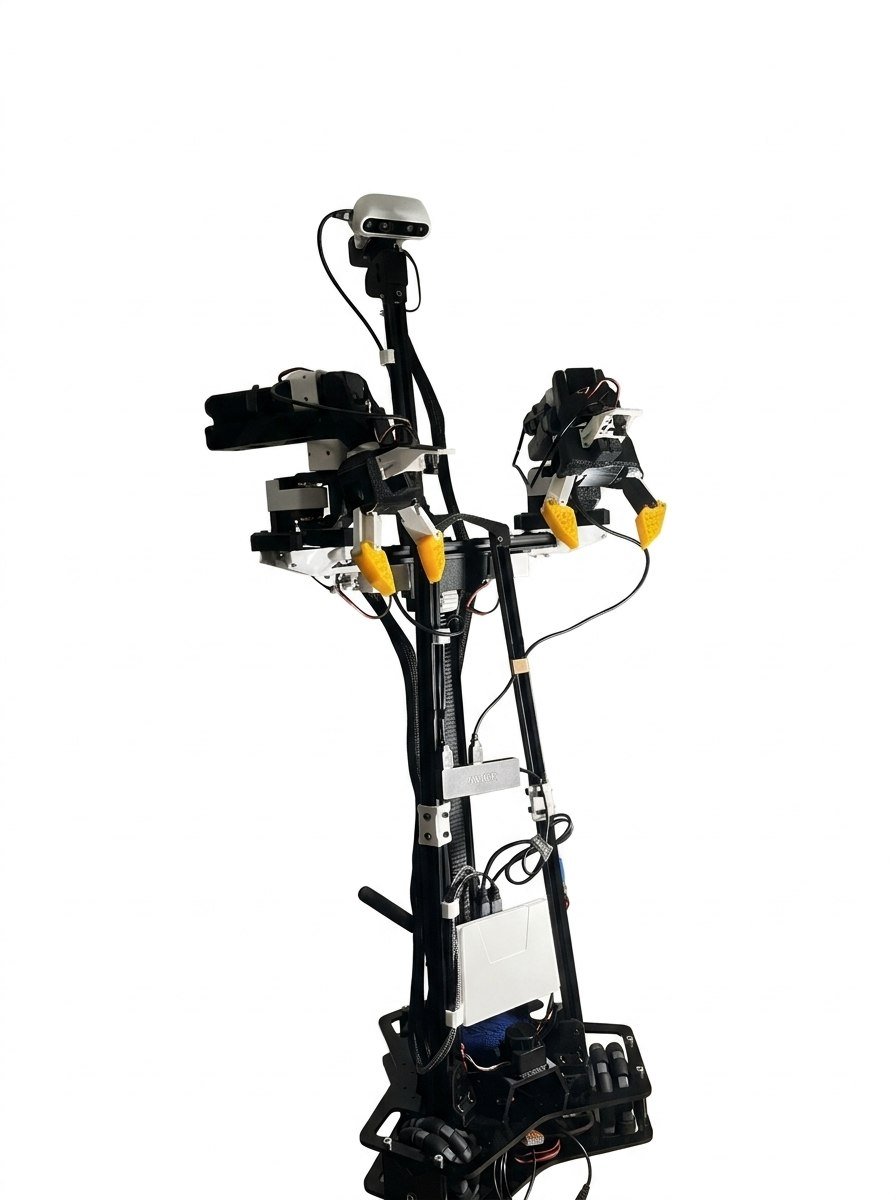
OB15 is the two-armed mobile robot I’ve been designing and building myself since early 2025. This post is about the hardware: how it went from a stock kit to a robot with a 600 mm lift, and why each change happened. The learning side has its own post.
the brief
Research platforms like Stanford’s Mobile ALOHA cost around $30,000. I wanted to see how much of that capability I could get for under £1,000, with parts printable on a home 3D printer in PLA and PETG, running Hugging Face’s open LeRobot framework.
v1: start from a kit
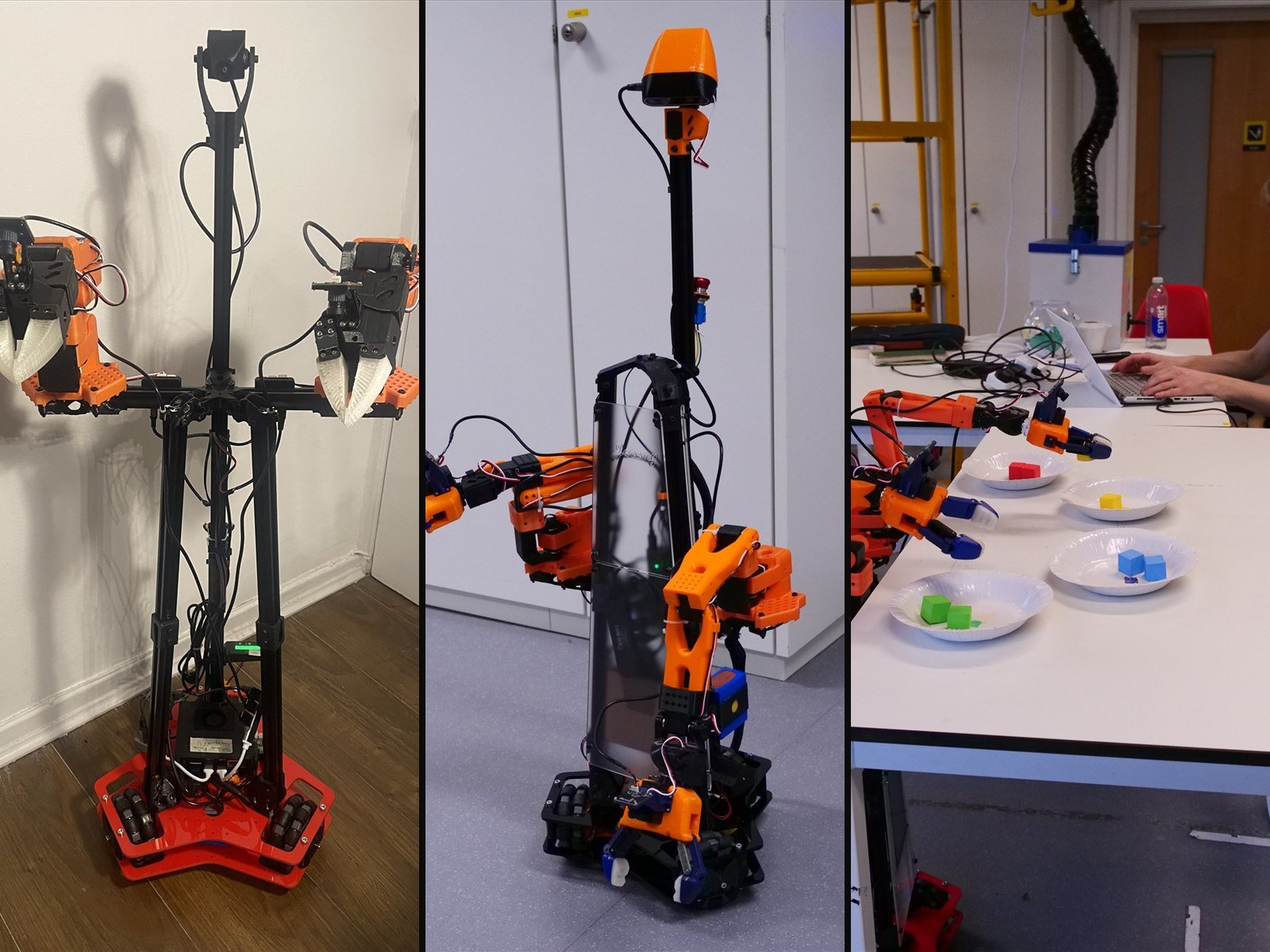
In March 2025 I built a near-stock LeKiwi base with leader–follower arms. Within six weeks it could be teleoperated, record data and run learned policies. It also showed exactly what was missing: the base wasn’t stable, the wheels were weak, and one low arm couldn’t reach most real tasks.
v2: height, two arms, and a sagging axle
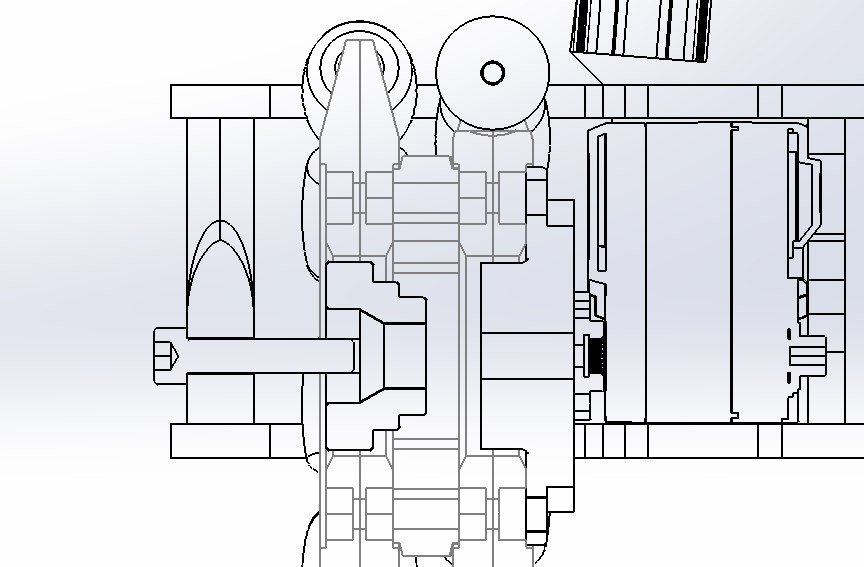
In August 2025 I designed a frame to add height and carry two arms with compliant grippers. The extra mass exposed a problem: the wheels hung directly off the motor shafts, so the platform sagged and the wheels cambered outward, which would eventually overload the motors.
The fix was a supported axle: a bolt holds each wheel from the outside so the chassis carries the weight and the motors only drive.
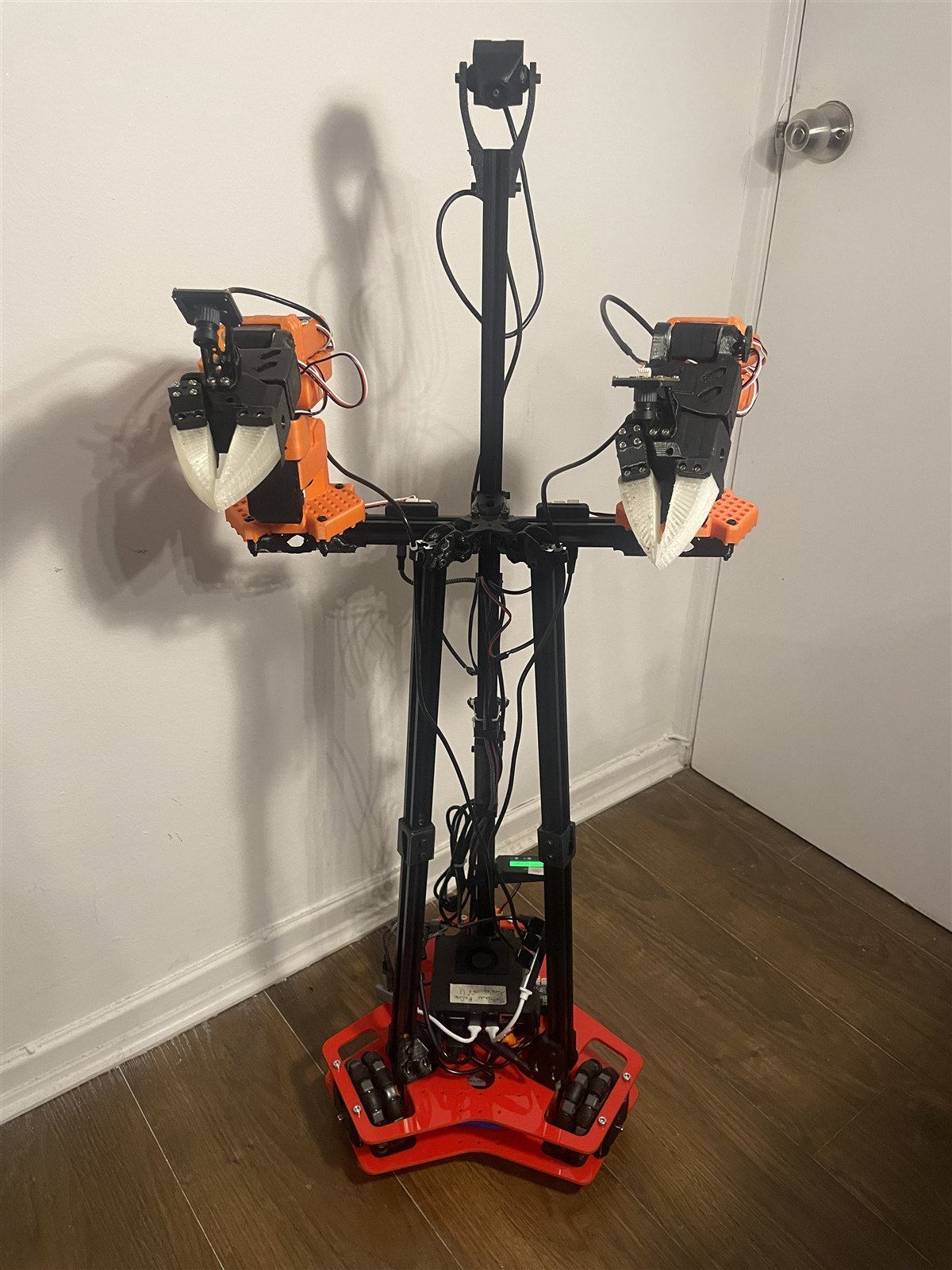
Two more changes came out of v2. A Raspberry Pi 5 couldn’t keep up with recording teleoperation data, so I moved to an NVIDIA Jetson Orin Nano, which also runs the same Ubuntu setup as my workstation. And after two months fighting experimental VR software, XLeRobot’s release got both arms working in VR. The lesson I took from that: always build a simple fallback control, like a gamepad, so one piece of new software can’t stall the whole project.
v3: grippers, a head and a lift
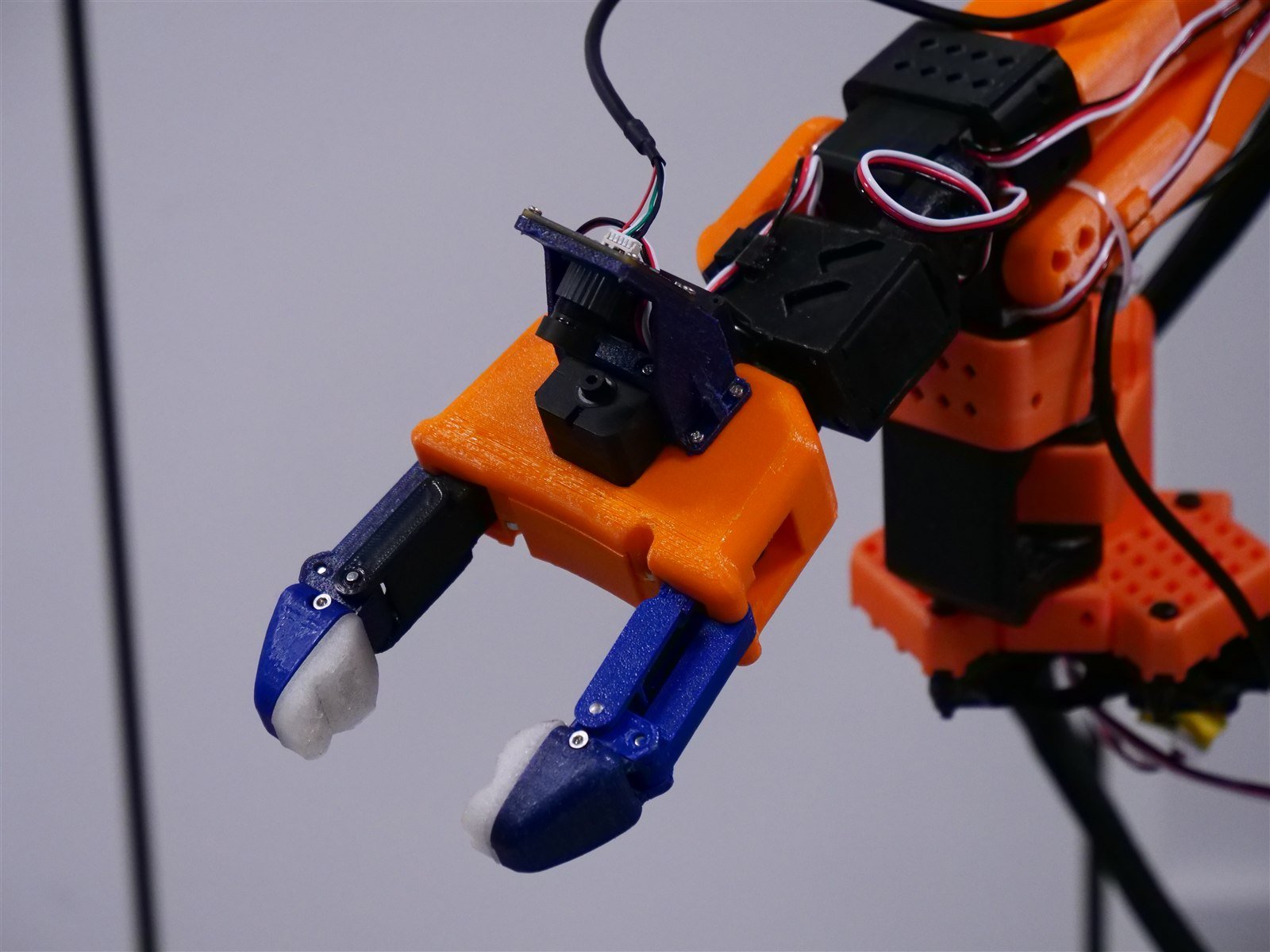
- Grippers: I swapped the modified SO-100 grippers with compliant TPU fingers for Pincopen parallel grippers, after testing showed the limits of the original single-sided design.
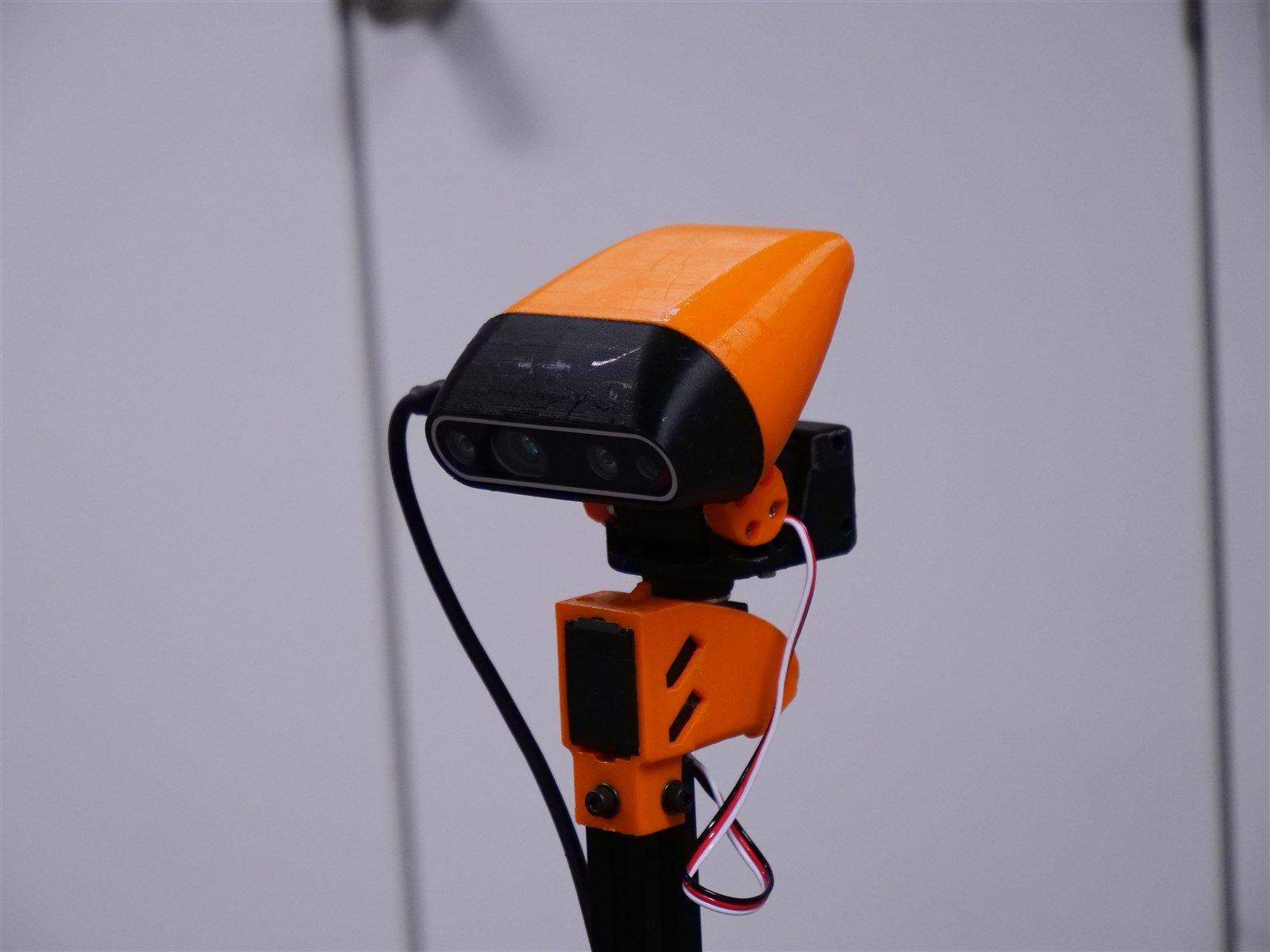
- Head camera: a pan-tilt head that follows the operator’s VR headset, so the camera looks where the operator looks and images can stay small.
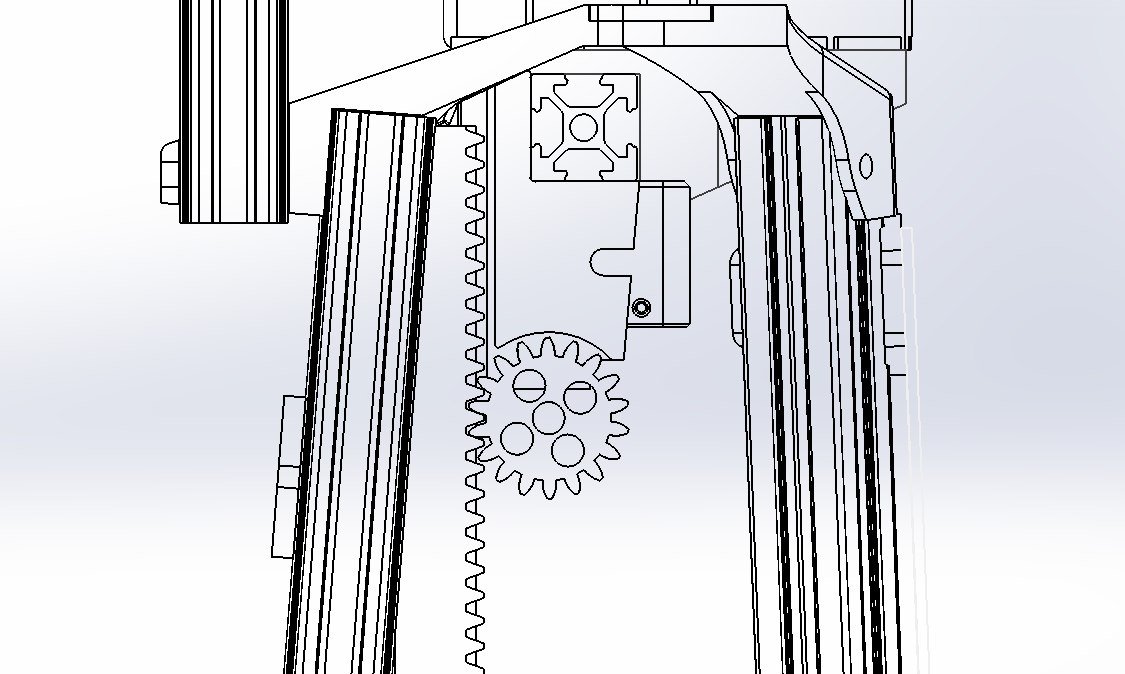
- Lift: a rack-and-pinion gantry with 600 mm of travel, inspired by the Mini ALOHA. I benchmarked several linear-axis designs and chose rack and pinion over a lead screw for its torque handling. It uses the same STS3215 servo as the arms and base (30 kg·cm at 12 V), geared for 100 mm of travel per motor turn, and needed just one extra script in software.
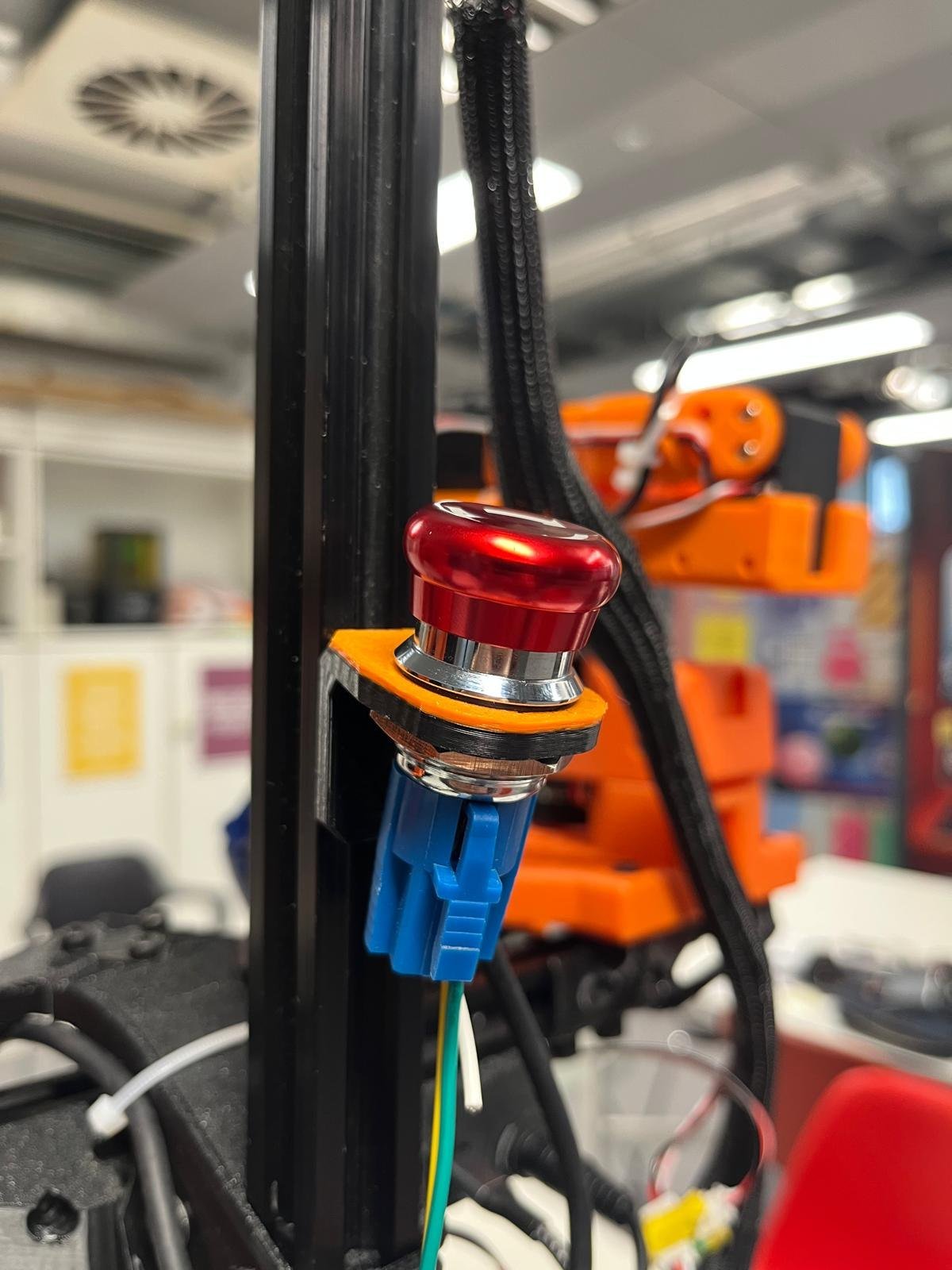
- Safety: an ESP32-S3 runs a relay in series with the motor controllers, independent of the Jetson. Hitting the e-stop cuts power to every drive and arm motor even if the main software has crashed.
- Power: 12 V batteries in parallel for capacity, with two Waveshare bus-servo adapters driving the Feetech motors.

where it’s going
The next version is planned around its centre of mass, so the robot can take on more without becoming unstable:
- Tactile sensing: AnySkin magnetic skin sensors on the gripper fingers, with three layers of protection: the servos’ own current limits, a sensor-triggered stop, and touch data the policy can learn from.
- A more mobile base: a holonomic base on omni or mecanum wheels that can move in any direction.
- Larger arms for more reach and payload than the SO-101s.
- Navigation and voice: LD06 lidar and RTAB-Map SLAM with Nav2 to drive between rooms, then hand control to a learned policy for the manipulation; a RealSense D435i head camera and D405 wrist cameras; and spoken commands like “get me the mug from the kitchen counter”.
Code: OB15 on GitHub · my LeRobot fork · VR teleoperation